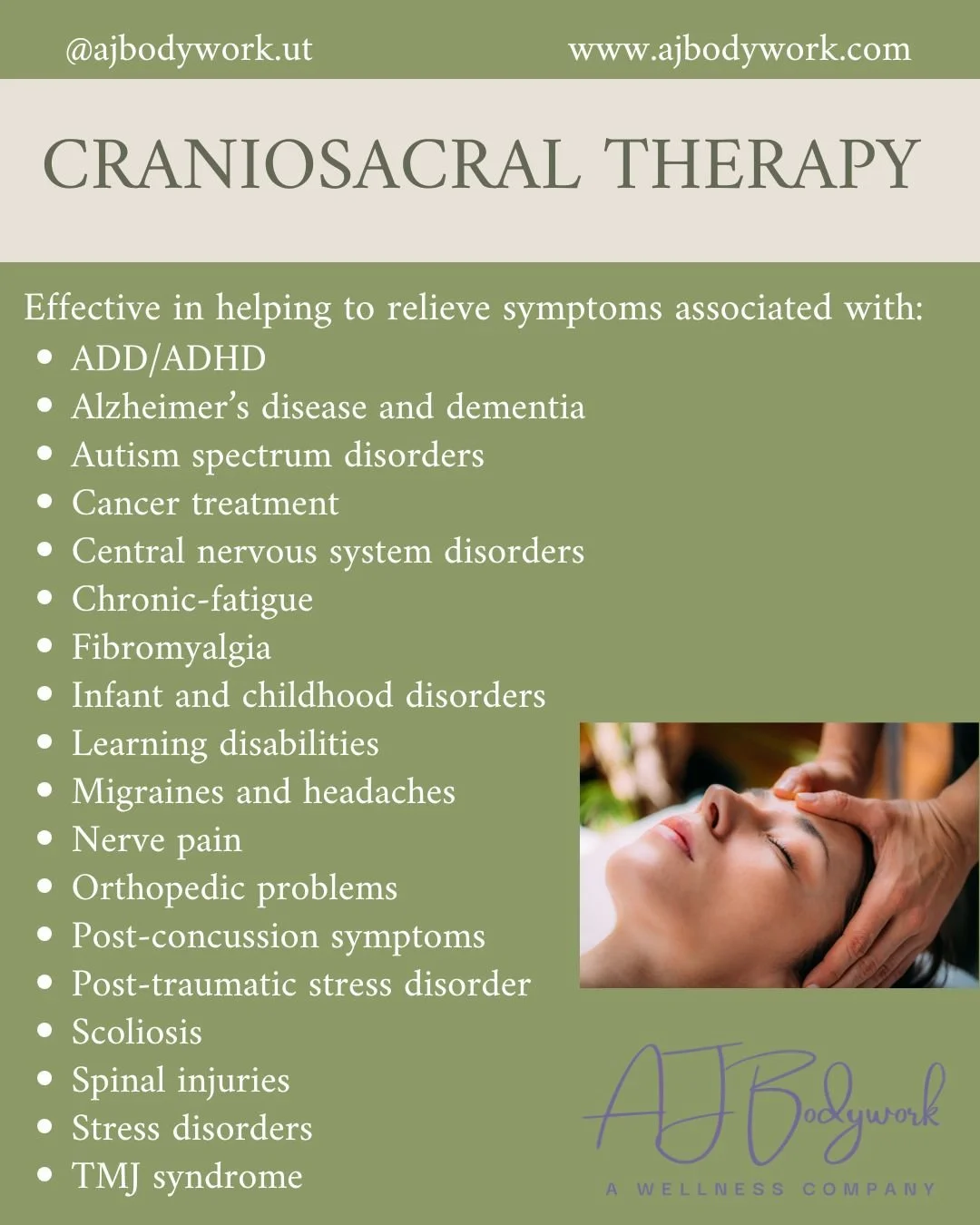
CranioSacral Therapy
CranioSacral Therapy: A Gentle Path to Healing and Balance
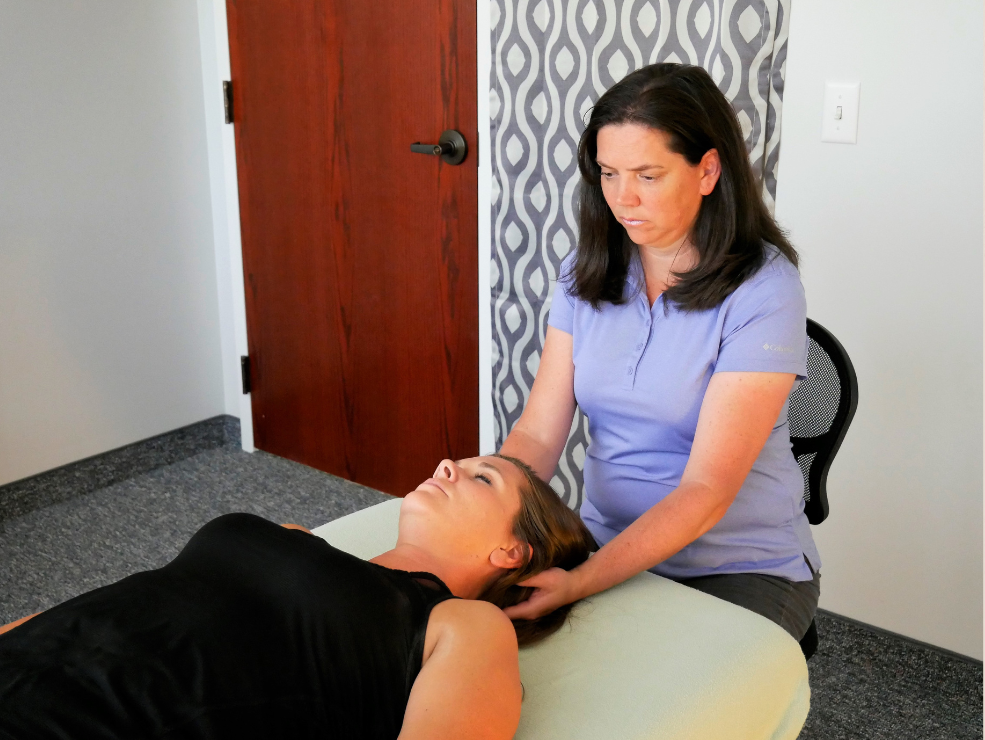
CranioSacral Therapy (CST) is a gentle, noninvasive, hands-on healing approach that focuses on the craniosacral system—the membranes and cerebrospinal fluid surrounding and protecting the brain and spinal cord. Developed by osteopathic physician Dr. John E. Upledger, CST uses extremely light touch—typically no more than the weight of a nickel—to detect and release restrictions in the body’s tissues.
Unlike traditional massage or chiropractic adjustments, CST does not involve forceful manipulation. Practitioners place their hands lightly on the skull, sacrum, and other areas to evaluate the rhythm of the craniosacral system and facilitate the body’s natural self-correcting mechanisms. This process aims to improve central nervous system function, reduce tension in the fascia (connective tissue), enhance fluid flow, and support overall physiological balance. Sessions typically last 45 to 60 minutes, during which clients often experience deep relaxation, sometimes reporting sensations of warmth, pulsing, or emotional release.
The therapy is rooted in the idea that everyday stresses, injuries, or trauma can create subtle restrictions that impair the free movement of cerebrospinal fluid and compress neural structures. By gently releasing these, CST seeks to alleviate pain, dysfunction, and emotional stress while promoting the body’s innate healing abilities. It is considered a complementary therapy, often used alongside conventional medical care for conditions ranging from chronic pain to neurological issues.
Benefits for Adults
Adults often turn to CranioSacral Therapy for relief from the accumulated stresses of modern life, including physical strain from desk work, repetitive movements, or past injuries. One of the primary benefits is pain relief, particularly for headaches, migraines, neck and back pain, and conditions like fibromyalgia or TMJ syndrome. By releasing tension around the craniosacral system, CST can reduce compression on nerves and improve circulation of cerebrospinal fluid, leading to decreased inflammation and muscle tightness.
Many adults also experience profound stress reduction and improved emotional well-being. The gentle touch encourages the parasympathetic nervous system (the “rest and digest” state), helping to lower cortisol levels, ease anxiety, and support better sleep. Clients frequently describe sessions as meditative, with some reporting release of stored emotional trauma or PTSD symptoms. For those recovering from concussions, traumatic brain injuries, or chronic fatigue, CST may aid neurological recovery by optimizing the environment around the brain and spinal cord.
Additionally, adults with conditions such as scoliosis, orthopedic problems, dental issues, or side effects from cancer treatment often find CST helpful for improving mobility, reducing discomfort, and enhancing overall quality of life. Because it is noninvasive and low-risk, it serves as an excellent preventive measure, helping maintain nervous system resilience against daily stressors. Regular sessions can lead to better posture, heightened body awareness, and a greater sense of calm that extends into everyday activities.
Benefits for Children
Children benefit immensely from CranioSacral Therapy as their bodies and nervous systems are still developing and highly responsive to gentle interventions. For kids dealing with sensory processing challenges, ADHD, or behavioral difficulties, CST can help regulate the central nervous system, promoting calmer responses to stimuli and improved focus. The therapy’s light touch makes it non-threatening, often turning sessions into a relaxing experience that children look forward to.
School-aged children experiencing headaches, neck tension from heavy backpacks, or postural issues may see reductions in pain and improvements in concentration and academic performance. CST supports better sleep patterns, which are crucial for growing bodies, and can address lingering effects from falls, sports injuries, or minor traumas that might otherwise go unnoticed. Parents frequently report enhanced emotional regulation, fewer meltdowns, and better social interactions after consistent treatment.
For children with developmental delays, autism spectrum traits, or learning difficulties, CST aims to optimize brain-body communication by releasing fascial restrictions. While not a cure, it complements other therapies by fostering a more balanced physiological state. Its holistic nature means it addresses interconnected issues—physical discomfort often exacerbates behavioral or emotional challenges, and resolving the former can positively influence the latter. Many pediatric practitioners integrate CST into broader wellness plans for children facing chronic ear infections, sinus issues, or recovery from illnesses.
Benefits for Babies
Babies, especially newborns, respond particularly well to CranioSacral Therapy due to the pliability of their cranial bones and the sensitivity of their developing nervous systems. Birth can be a compressive experience, even in uncomplicated deliveries, potentially leading to restrictions from forceps, vacuum assistance, cesarean sections, or prolonged labor. CST gently addresses these, helping to restore natural alignment and fluid dynamics in the craniosacral system.
Common infant issues like colic, excessive crying, and digestive discomfort often improve as CST releases tension in the head, neck, and abdomen, supporting better feeding, latching, and bowel movements. Studies and clinical reports suggest reductions in crying time and better sleep for colicky babies. For infants with plagiocephaly (flat head syndrome), feeding difficulties, or reflux, the therapy offers a safe, drug-free option to ease discomfort and promote healthy development.
Premature babies or those experiencing birth trauma may benefit from CST’s calming effects on the autonomic nervous system, aiding regulation of breathing, heart rate, and overall stability. It can also support milestones such as head control and motor development by reducing subtle strains. Parents often notice their babies becoming more settled, with improved eye contact, alertness, and contentment after sessions. Because the touch is so light, even the youngest infants tolerate it beautifully, with sessions adapted to their tiny size and needs.
Embracing Gentle Healing
CranioSacral Therapy offers a unique, respectful approach to health that honors the body’s wisdom and capacity for self-repair. Whether for adults seeking relief from chronic tension, children navigating developmental hurdles, or babies adjusting to life outside the womb, CST provides a pathway to greater comfort, resilience, and vitality.
The results and healing times are not up to us. While nearly all of our clients are satisfied with the outcomes, our job is to witness what is needed for healing - your body’s innate intelligence takes care of the rest.
As with any therapy, it’s essential to consult qualified practitioners and integrate CST with professional medical advice. In a world that often pushes harder and faster solutions, the gentle power of CranioSacral Therapy reminds us that sometimes the lightest touch can create the most profound shifts.
Decreases physical pain & discomfort
Provides deep relaxation
Reduces panic attacks
Improves insomnia & promotes return to normal sleep patterns
Benefits of CranioSacral Therapy
Alleviates side effects of many medical treatments, including chemotherapy
Returns to clear mental functioning
Restores energy, vitality, & strength
CranioSacral Therapy Resources