


How CranioSacral Therapy, Lymphatic Drainage, Acupressure, Green Light Therapy, and Frequency Balancing Can Support Migraine Relief
Migraines are more than ordinary headaches. They often involve intense throbbing pain, sensitivity to light or sound, nausea, and visual changes. While medical care is essential for diagnosis and treatment, many people also explore gentle, complementary approaches that address tension, fluid balance, nervous-system regulation, light sensitivity, and energetic patterns. Five supportive methods—CranioSacral Therapy (CST), Manual Lymphatic Drainage (MLD), acupressure, green light therapy, and frequency balancing with AO Scan—can work together to ease symptoms and help reduce migraine frequency or intensity.
CranioSacral Therapy and Migraines
CranioSacral Therapy uses extremely light touch to evaluate and gently release restrictions in the membranes and fluid that surround the brain and spinal cord. Many people with migraines carry chronic tension in the neck, jaw, and base of the skull. This tension can affect the craniosacral rhythm and contribute to head pain.
During a CST session, the practitioner follows subtle movements and softens areas of restriction. For migraine support, attention is often given to the occiput (base of the skull), the temporomandibular joint (TMJ), and the cranial bones. Clients frequently report a sense of deep calm, reduced head pressure, and improved clarity after sessions. Because CST works with the central nervous system, it may help the body move out of a heightened stress response that can trigger or worsen migraines.
Lymphatic Drainage and Head Pain
The lymphatic system helps clear waste products and excess fluid from tissues. When lymphatic flow in the head and neck is sluggish, fluid and inflammatory substances can accumulate, contributing to pressure and pain. Manual Lymphatic Drainage is a gentle, rhythmic technique that encourages lymph movement without compressing the tissues.
For migraine support, MLD focuses on the neck, face, and upper chest. Gentle strokes help reduce congestion around the sinuses, eyes, and base of the skull. Many people notice less head fullness and improved comfort after lymphatic work. When combined with CST, lymphatic drainage can support the body’s natural clearance pathways while the craniosacral system is gently balanced.
Acupressure Points for Migraine Relief
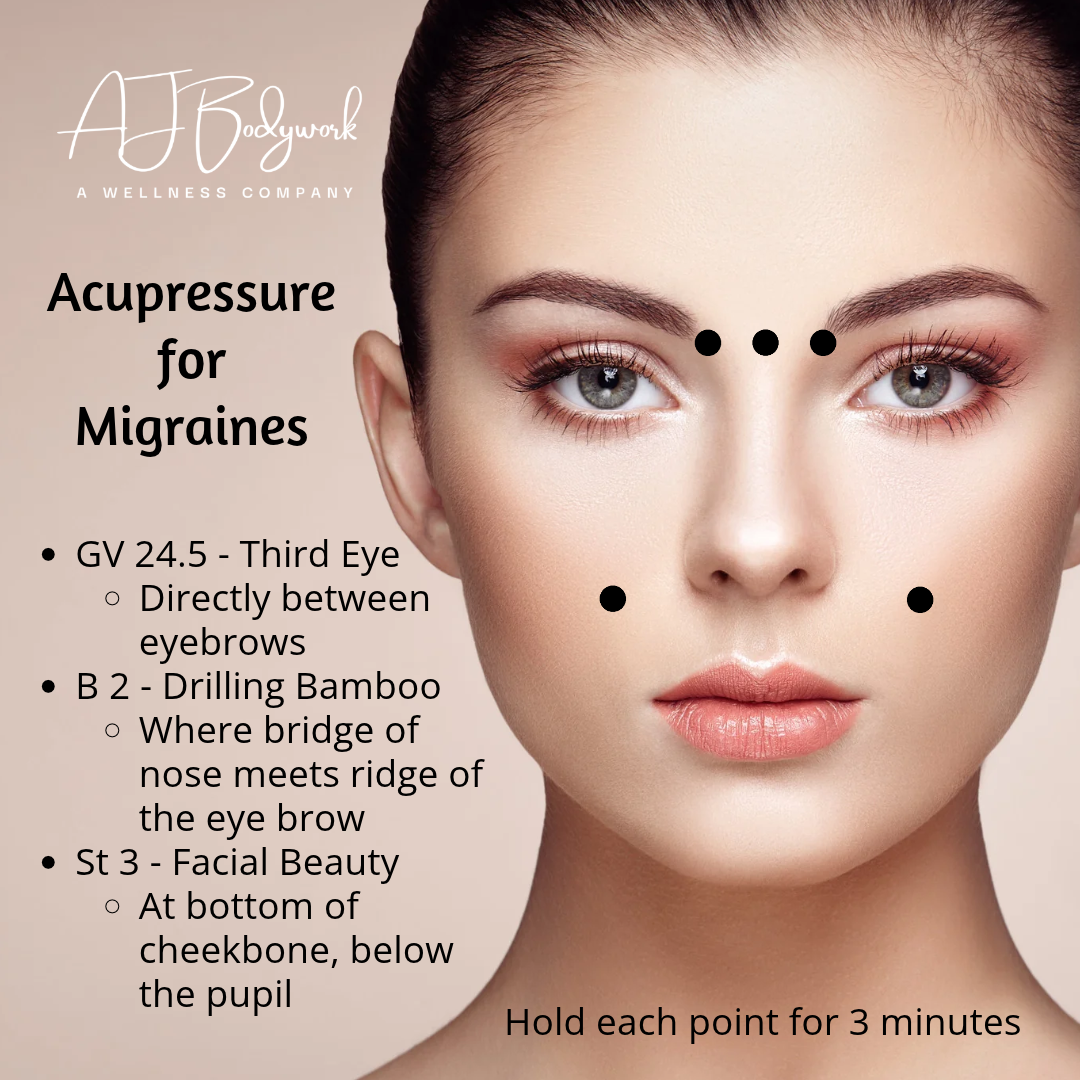
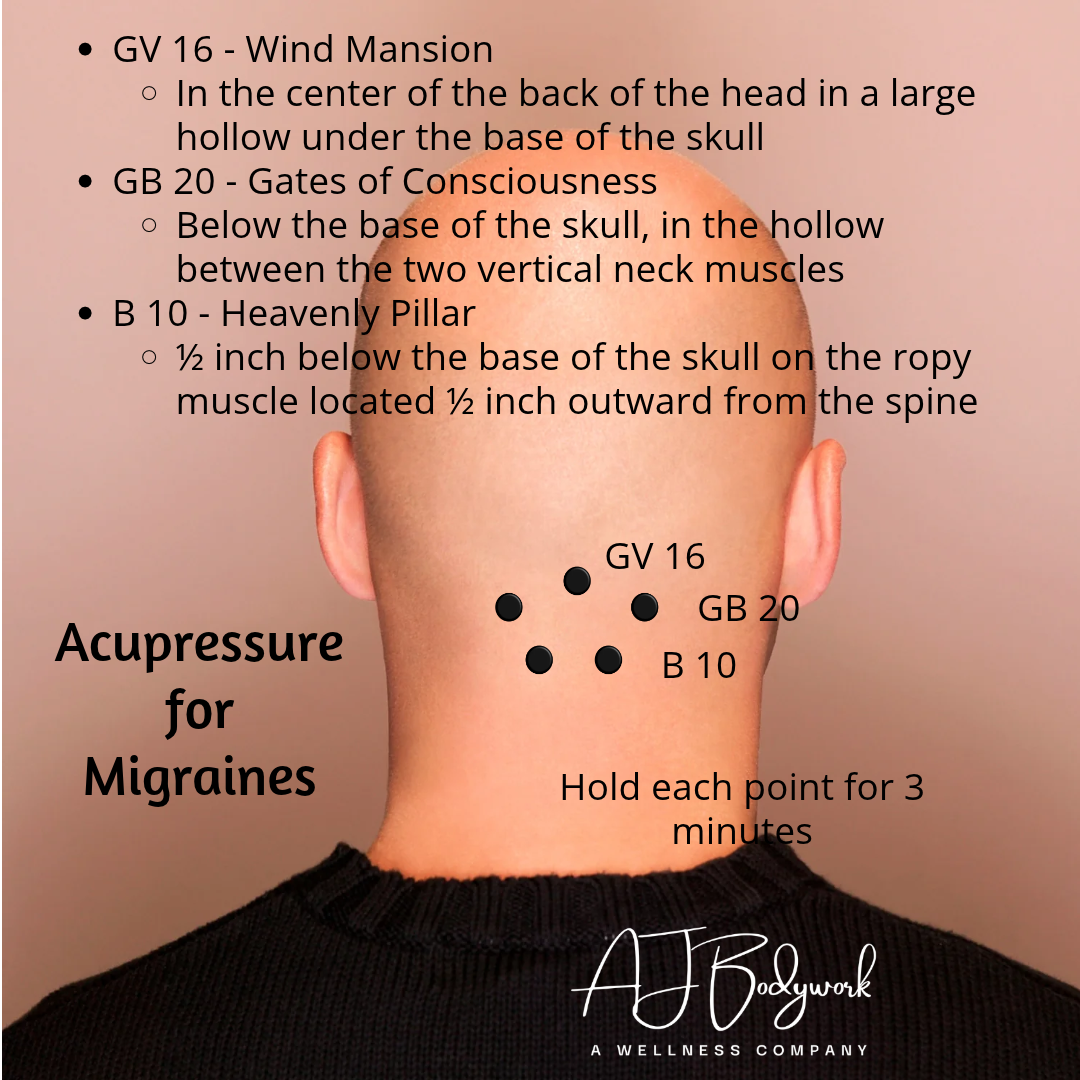
Acupressure applies steady, comfortable pressure to specific points that, according to traditional Chinese medicine, influence energy flow and pain perception. Several well-known points are particularly useful for headaches and migraines:
• GB 20 (Gates of Consciousness): Located in the hollows at the base of the skull, between the vertical neck muscles. Pressure here often eases headache pain, neck stiffness, and eye strain.
• B 2 (Drilling Bamboo): Found in the indentations at the inner ends of the eyebrows. This point can help with sinus-related head pain and eye fatigue.
• GV 24.5 / Yin Tang (Third Eye): Located between the eyebrows. Gentle pressure here is commonly used to calm the mind and relieve frontal headaches.
• ST 3: Positioned on the cheek, directly below the eye and beside the nose. It can support sinus congestion that sometimes accompanies migraines.
These points can be used as self-care between sessions or integrated into a professional treatment.
Green Light Therapy for Migraines: What the Research Shows
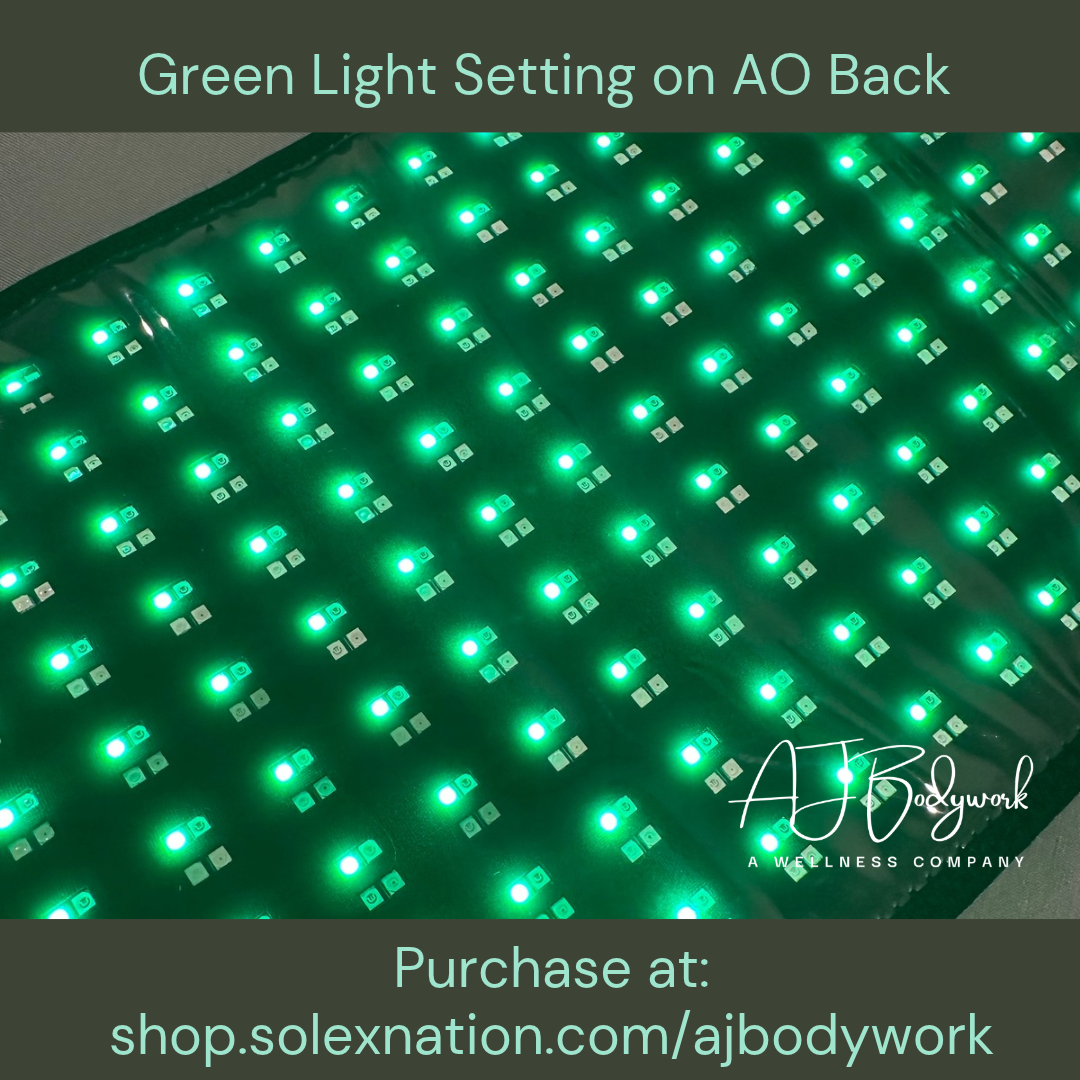
Many people with migraines also experience photophobia—heightened sensitivity to light that can worsen pain and make everyday environments feel overwhelming. While most light colors tend to aggravate symptoms, a specific narrow band of green light has shown a different effect in clinical research. Green light therapy is a non-drug approach that involves controlled visual exposure to this particular wavelength of light.
A notable 2021 clinical trial from the University of Arizona looked at daily green light exposure in people with episodic and chronic migraine who had not responded well to other treatments. Participants spent 1–2 hours each day in an otherwise dark room with a 525 nm green LED light for 10 weeks. Headache days per month dropped by roughly 60% on average, pain intensity decreased by about 60%, and many reported better sleep and improved daily function, with no side effects noted.
Earlier work from Harvard researchers found that a precise narrow band of green light (around 520–530 nm) produces the smallest electrical signals in the eyes and brain compared with other colors. Because of this, it is less likely to worsen photophobia and, for some people, can ease headache intensity during an attack. An observational study using a specialized narrow-band green lamp found improvement in headache, light sensitivity, anxiety, and sleep for many users when the light was used for about two hours during an attack.
Researchers believe the effect is linked to the visual system. Green light appears to stimulate the eyes and visual pathways less intensely than other colors, which may reduce excitatory signals that reach pain-processing areas of the brain. The approach used in research is specific: narrow-band green light around 520–530 nanometers at low intensity (typically 4–100 lux) in a dark room with eyes open, for 1–2 hours. Specialized lamps or LED strips are needed; regular household green bulbs do not match the studied parameters.
Green light therapy is a complementary approach, not a replacement for medical care. Response varies, and anyone with eye conditions should check with their healthcare provider first. It differs from red light therapy, which is applied to the skin for cellular effects rather than working through visual exposure.
Frequency Balancing with AO Scan
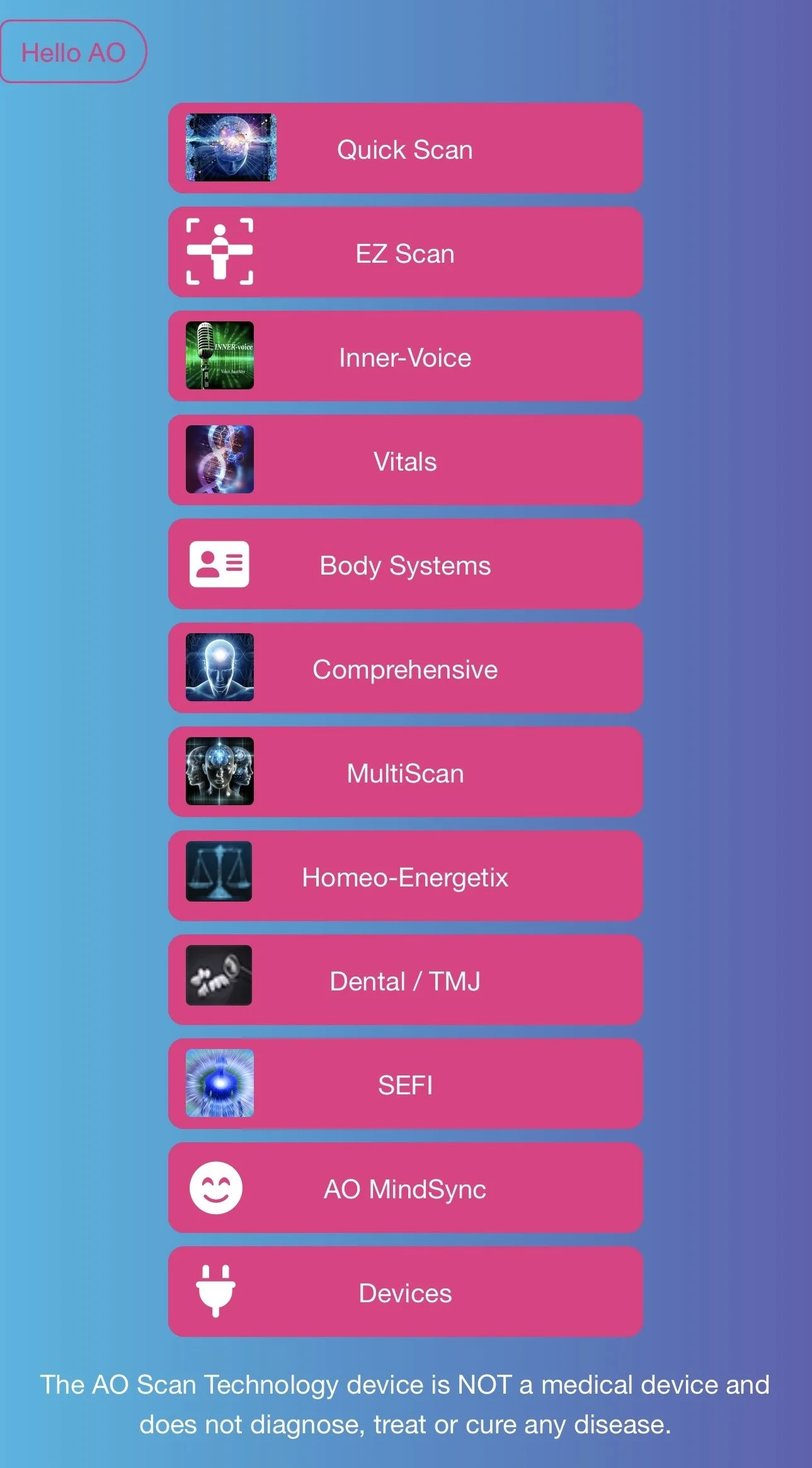
Others explore frequency-based approaches to support the body’s natural balancing processes. AO Scan uses bioresonance technology to scan for patterns of imbalance and then run specific frequencies intended to help the body return toward greater harmony. In the context of migraines, this may include frequencies associated with the nervous system, vascular tension, stress responses, or areas of the head and neck that commonly hold restriction.
A session typically involves a non-invasive scan followed by the delivery of balancing frequencies. Practitioners often combine this work with hands-on therapies such as CST or lymphatic drainage so that structural, fluid, and energetic patterns are addressed together. Clients report a sense of calm, reduced head pressure, or improved clarity after frequency sessions, though individual responses vary.
Working Together
CST, lymphatic drainage, acupressure, green light therapy, and frequency balancing complement one another. CST addresses membrane and nervous-system patterns, lymphatic drainage supports fluid balance and clearance, acupressure offers targeted relief for specific points, green light therapy provides a simple way to reduce photophobia, and tools like AO Scan offer an additional layer of frequency support. A personalized plan may include one or more of these approaches depending on what the body presents.
Results vary from person to person. Some people experience immediate easing of intensity; others notice gradual improvement in frequency and recovery time over a series of sessions. These therapies are best used as part of a broader plan that may include hydration, sleep support, stress management, and guidance from a healthcare provider. For those living with migraines, combining gentle bodywork, targeted light exposure, and frequency balancing offers a practical set of tools that many find helpful alongside conventional care.